Off the menu
Off the menu
↗ Health and wellness
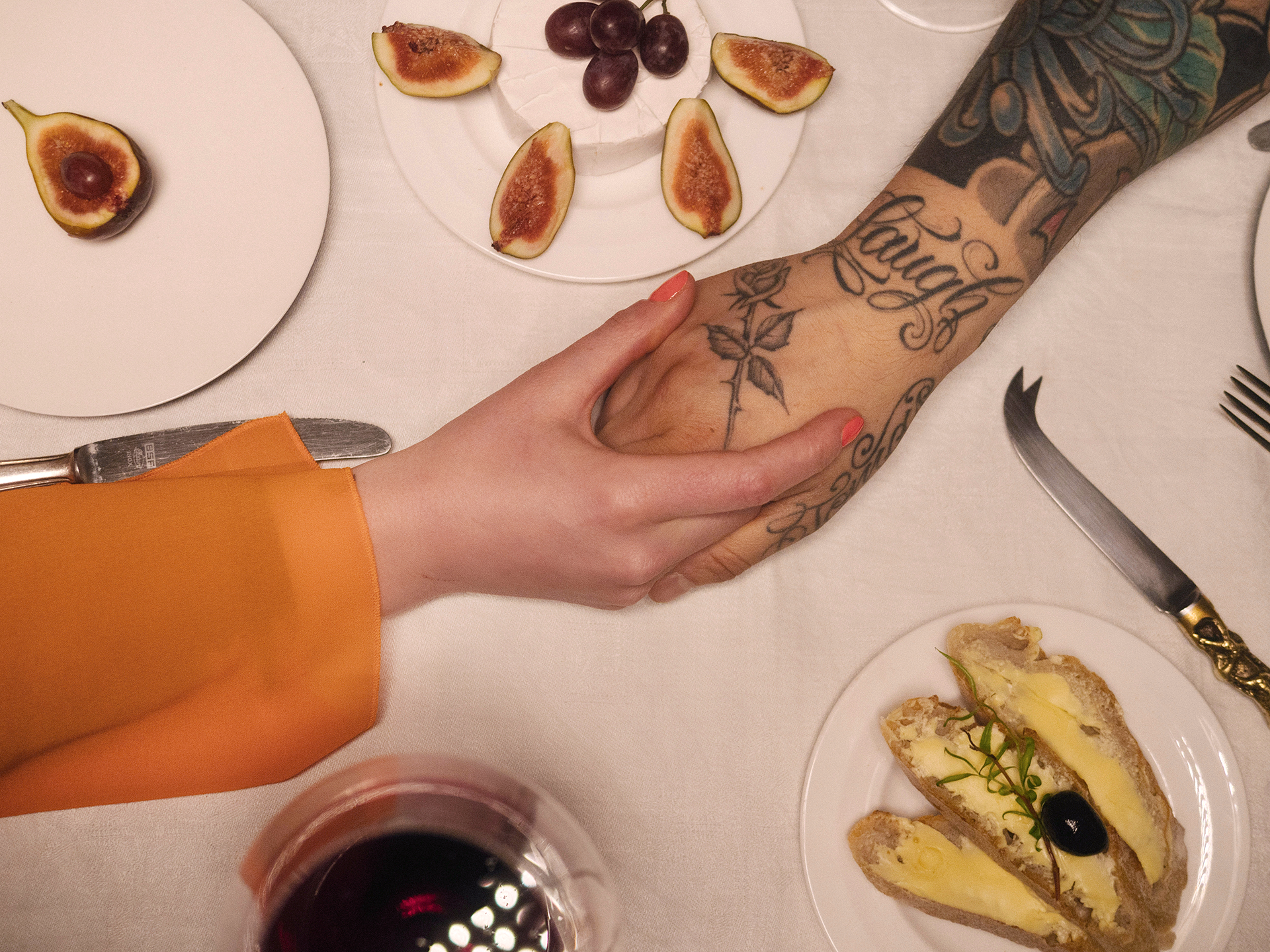
↗ A study conducted by dot. through its research platform The Future Game, in collaboration with BBK Fundazioa, exploring young people’s relationship with food.
Do young people (really) dream of keeping their own chickens and having a flourishing rooftop vegetable garden, producing food for long family lunches?
When we asked them about the future of food through the survey Identity and Food among Basque Youth (The Future Game and University of Deusto, 2025), we discovered that their answers challenged more than a few clichés. Nothing is quite what it seems when it comes to understanding this generation.
We did suspect that something as everyday yet complex as food would open up some intriguing lines of enquiry: How do young people in Euskadi imagine the food system of the future? How do they define their identity through what they eat? What barriers do they face in accessing a healthy and sustainable diet? And, above all, to what extent can they become drivers of the transformations that industry and other stakeholders will need to respond to?
Here, we explore the key insights emerging from the vast ocean that is food, an essential territory for understanding how the future of the sector is taking shape.
↗ The data published in this report was gathered through a representative survey commissioned from 40db for The Future Game and BBK, in collaboration with the University of Deusto.
Young people in Euskadi recognise that what they eat says something about who they are. More than six in ten (64.4%) say that the way they eat reveals a great deal about them, playing a significantly greater role in shaping their identity than even their political views (29.7%).
Building an identity through food also has an uncomfortable side. It is not always about pride or belonging: 42.3% of young people acknowledge having felt judged for the way they eat, while 31.7% admit to having felt uncomfortable with other people’s eating habits at some point. The dining table is therefore also a space of symbolic conflict, where social acceptance is constantly negotiated. Eating can be an act of self-expression, but also one of exposure, comparison and even tension with those around us.

“I was surprised to realise that many of the decisions I make about food aren’t really my own, but responses to how others see me. The way you eat positions you socially, and sometimes you end up adapting just so you don’t have to constantly justify yourself. The table should be a safe space, but it often becomes a place of judgement.”
This interplay of identities moves between the personal and the collective. For many young people, what they put on their plates defines them as much as the clothes they wear or the books they read. Yet they do not want this to translate into rigid categories: they see themselves as multifaceted, complex and, as some put it, “openly inconsistent”. The debate around veganism illustrates this particularly well: 3 in 10 young people believe someone can still identify as vegan even if they occasionally eat meat.
In other words, they recognise the power of labels but reject the dogmatism of absolute consistency, embracing a more flexible and open sense of identity than previous generations.
“During the experience, I realised that cooking wasn’t so much about the food itself, but about the moment it creates around it. In my everyday life, I hardly ever have time to sit down with someone without rushing, and cooking together was an excuse to slow down. It made me think that perhaps the problem isn’t that we don’t know how to eat well, but that we don’t know how to protect the spaces where meaningful things happen.”
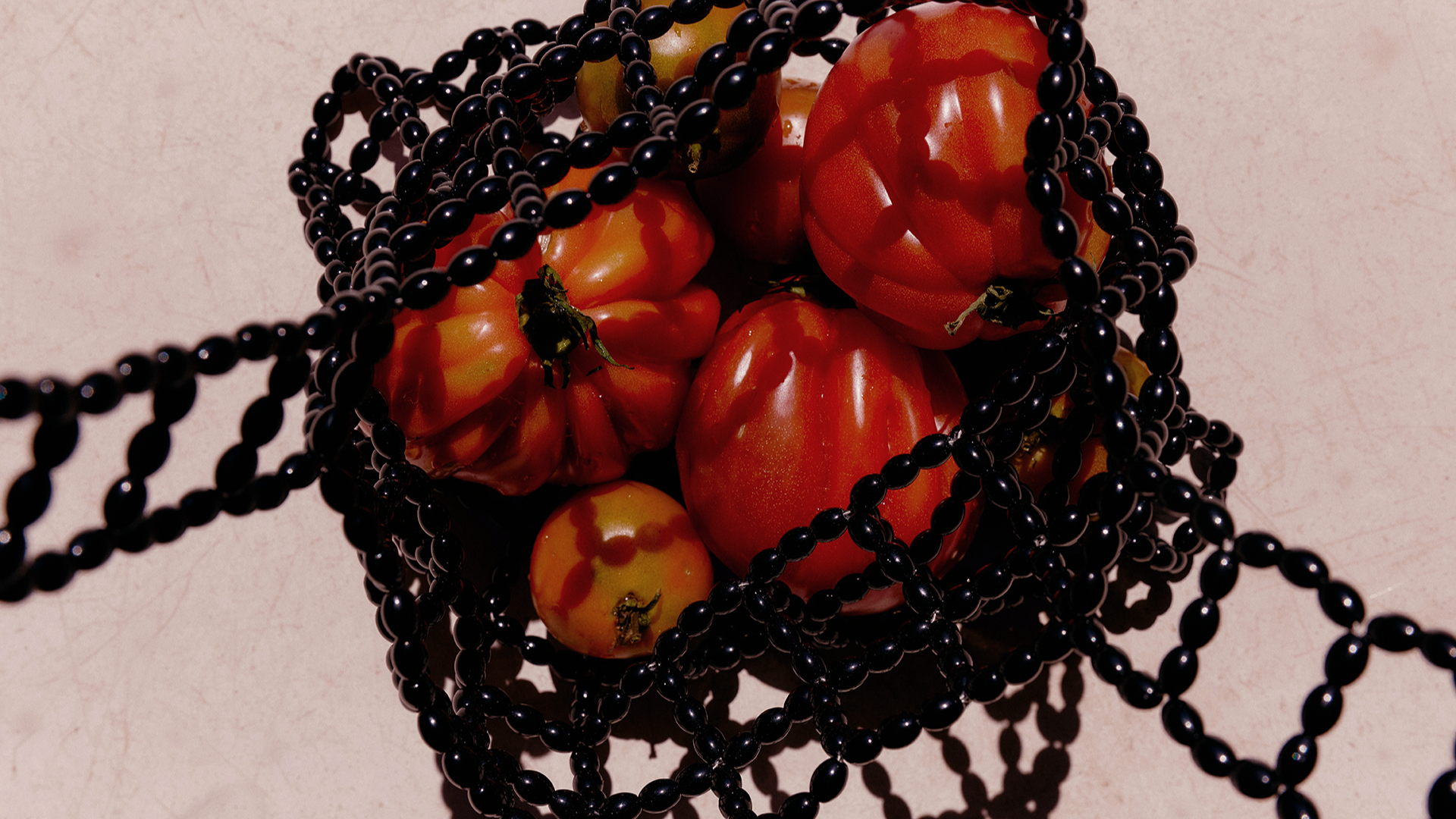
One of the study’s most significant findings is how young people in Euskadi approach food against a backdrop of growing economic uncertainty and frustration over the rising cost of basic food products.
This distrust of pricing systems and the logic of supply and demand translates into an underlying sense of unease. Against this backdrop, 46.3% of young people associate cooking at home with saving money.
This context reveals an overarching issue that permeates their perceptions of food: more than 4 in 10 young people (41.5%) acknowledge that their income or savings are not enough to eat the way they would like to. Furthermore, half (52.5%) believe that healthy, sustainable and locally sourced food is beyond their reach. Although they try to eat this way, they rarely manage to do so.
Prices have risen to such an extent that products historically found in their parents’ everyday cupboards are now beginning to be perceived as luxuries. 35% of young people identify olive oil as a luxury item, 24.6% say the same of albacore tuna, and 18.1% of locally grown farmhouse tomatoes or avocados. These figures reflect a profound cultural shift: what previous generations considered staples of the Mediterranean or local diet has become aspirational for many young people.
↗ These figures reflect more than a temporary economic situation: they reveal a cultural shift. What was once an everyday pantry staple for their parents has now become aspirational.
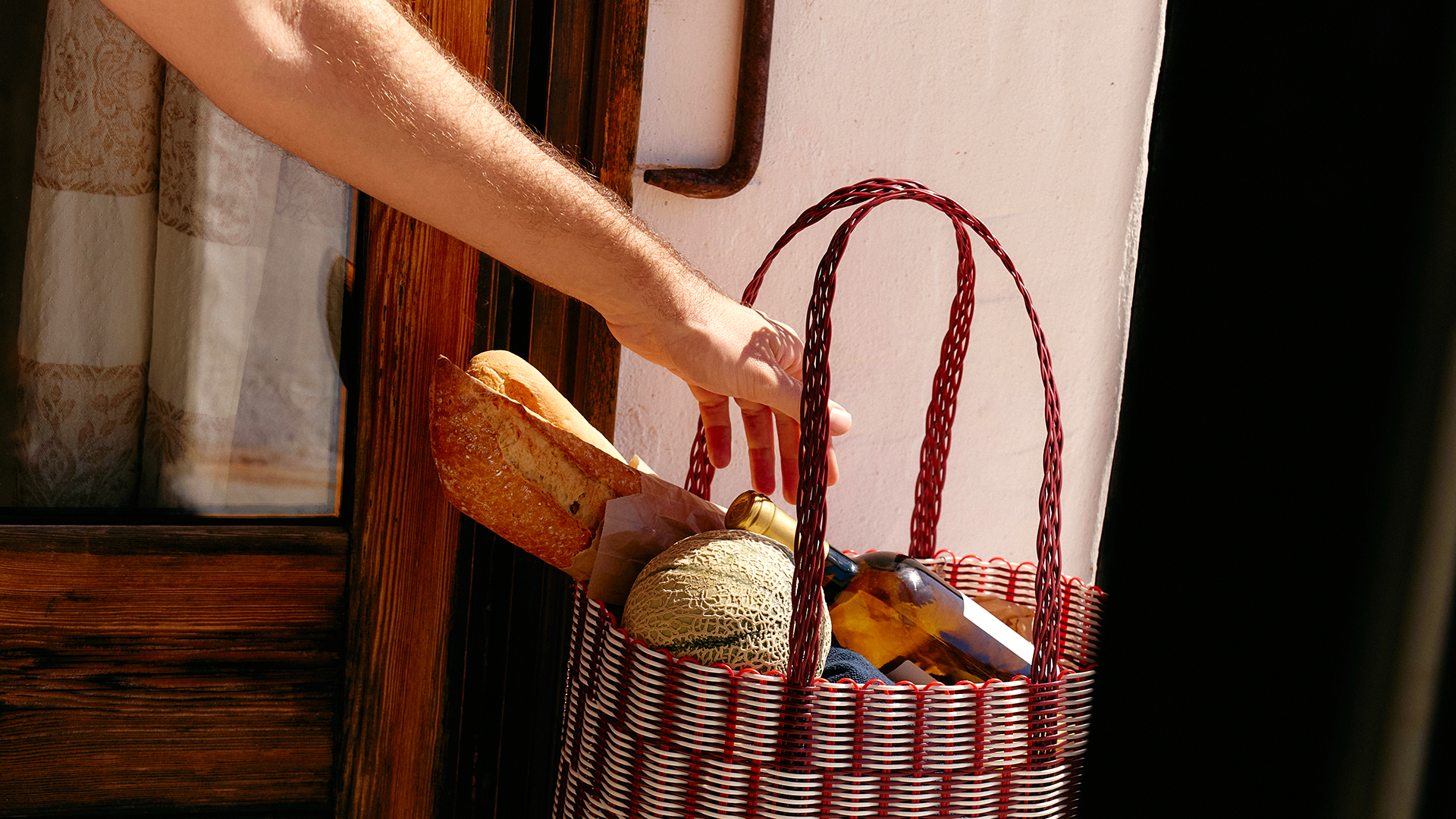
“While we were putting together our shopping basket, I realised that often we don’t give up on eating better because we don’t want to, but because we feel we can’t afford to. There’s a constant frustration between what you know would be better and what you can actually afford. It wears you down and normalises the idea that eating well is something exceptional.”
Which of these aspirations for the future of food do you share? (% of total respondents)
Making quality food more accessible — 63,2%
Keeping my grandparents’ recipes alive — 56,4 %
Having a vegetable garden on the roof of my building — 31,7 %
Doing away with mass-produced pastries — 26,2 %
No longer having to kill animals for food — 15,1 %
Being able to print my own food at home — 11,3 %
Increasing the availability of lab-grown meat on the market — 8,3 %
It is hardly surprising, then, that when asked to imagine the future of food, the most widely shared aspiration is neither technological nor disruptive, but deeply practical: making quality food more accessible to everyone, a priority for 63.2% of young people. More futuristic visions lag far behind, such as lab-grown meat (8.3%), printing food at home (4.4%) or mini greenhouses in the kitchen (26.2%).
The contrast is clear: young people are not dreaming of gadgets or science-fiction solutions, but of being able to put good food on their tables in a fair and affordable way.
While a decade ago the challenge was thought to be moving towards more sustainable or plant-based diets, the data reveals that today’s biggest barrier is far more immediate: filling the shopping basket without it becoming an unbearable financial burden.
Despite the difficulties many young people face in their everyday lives, food continues to occupy a central place in their aspirations.
When asked what they would be willing to spend €100 on, 69.4% chose hosting a meal at home and 64.1% dining at the best restaurant in their city, ahead of other forms of consumption typically associated with this generation, such as buying a pair of trainers (62.3%), going to a concert (57.9%) or paying to watch a live football match (31.5%). This highlights how young people continue to place food, and particularly the act of sharing it, at the heart of their priorities.
Eating together is not simply an expense; it is still seen as an investment in enjoyment and social connection.
While previous generations saw farming and fishing as declining industries, young people in Euskadi recognise their essential role in society. They believe having doctors (91.9%) is almost as important to their lives as having farmers (88.9%). The primary sector embodies some of their generation’s greatest concerns, such as provenance, fairness and culture. When imagining the food value chain, they distrust intermediaries, whom they associate with the rising cost of basic products, while seeing primary producers as the vulnerable actors at the other end of the chain.
“When I see products like olive oil suddenly becoming incredibly expensive, I always wonder… Are the people harvesting the olives actually getting paid more for every kilo they pick? I know they aren’t. [...] Under the guise of supply and demand, we end up in a distorted, confusing and perverse pricing game… because once the price of a product goes up, it never comes back down, even when the reasons behind the increase have changed… I used to think the authorities were keeping this under control, but I don’t see that happening.”
In the imagination of young people, agriculture emerges as a vehicle for social wellbeing rather than a career path. In a context shaped by scarcity and price volatility, the primary sector is viewed through a somewhat utopian lens of self-sufficiency: growing your own food, reconnecting with the land and living a more meaningful life. Yet this idealised vision does not easily translate into a professional calling. For many young people, working in agriculture is perceived as a career overly dependent on the weather, market conditions and external support, and difficult to reconcile with other personal, creative or professional aspirations.
Farming is admired, valued and desired as a symbolic horizon, but it remains difficult to imagine it as a viable career within a diverse and flexible life plan.
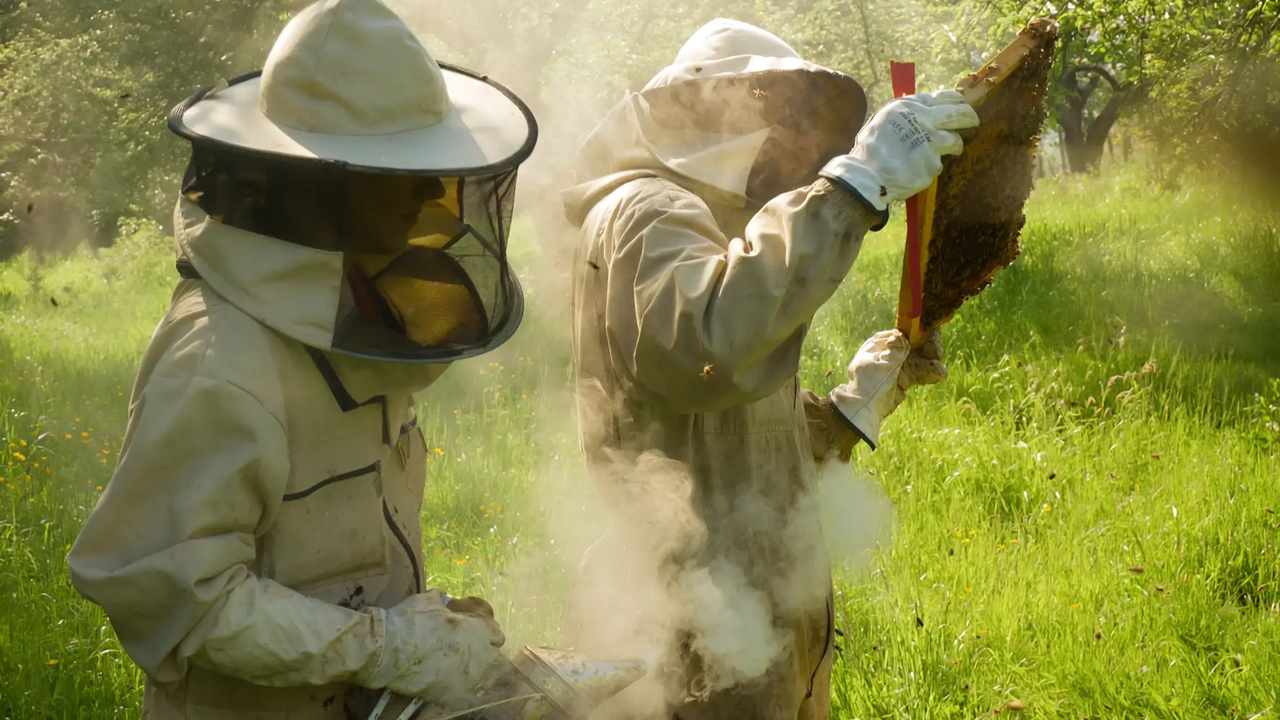
“In the future we are building, we produce and consume high-quality local products. We know that young people in Euskadi understand the importance of these projects in caring for our health and our environment.”
Inaxio Arin and Mattin Jauregi (29), beekeepers. In 2019, they launched Balerdipeko, a project born in the heart of Mount Balerdi. Since then, they have been developing a new generation of beekeeping that seeks to go beyond honey production.
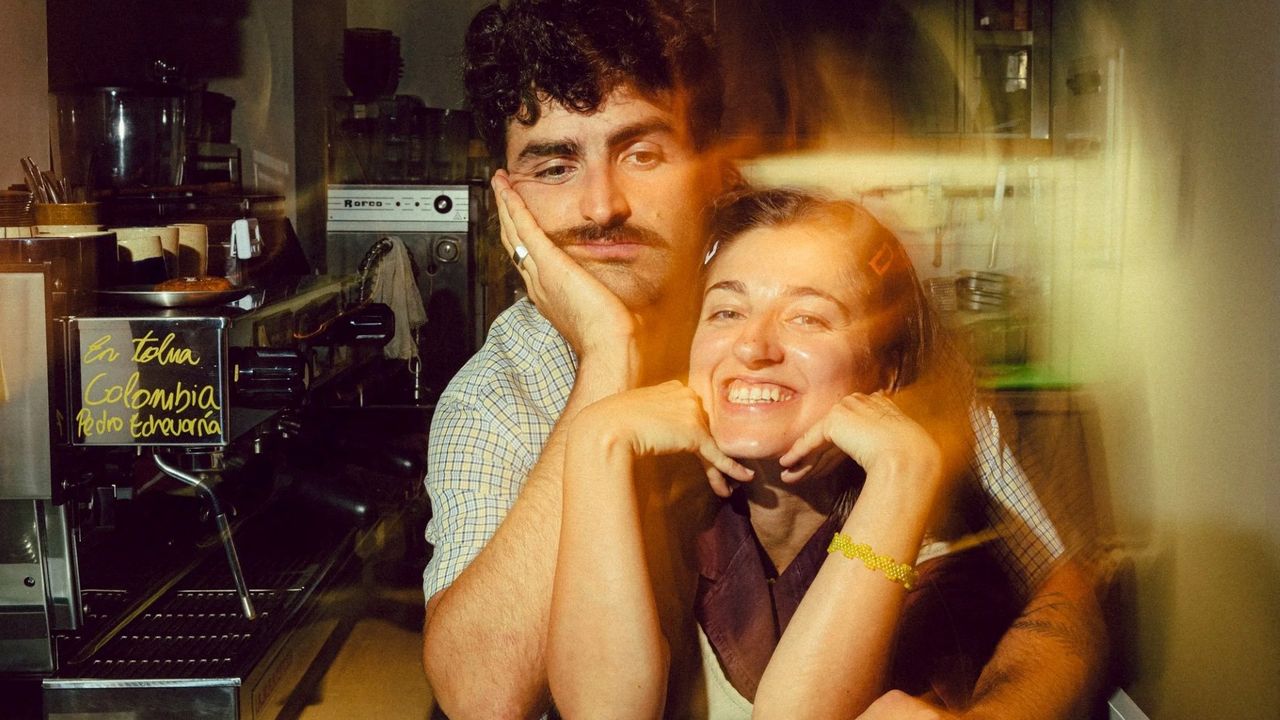
We are in the third wave of speciality coffee, where having a coffee and a slice of toast has become a gourmet experience driven by the culture of the “aesthetic”.
Amid all the trends and sometimes inauthentic spaces, places with their own identity and essence are also emerging. People are launching ventures rooted in values of local identity, sustainability and proximity. One such example is Kuia Kafea, a speciality coffee shop in Hernani that places the land and its surrounding natural ecosystems at the heart of its project, working with local producers and serving delicious, locally sourced food lovingly prepared by hand.
“We’ve started dressing the vegetable garden with leaves, ash and compost. Making furrows where the seeds we plant can find their way and sprout. Thank you, earth, for waking up and making your way through. We’re happy to share this reality that unfolds beyond the coffee shop, but is just as much a part of Kuia. Happy to share our thoughts on food sovereignty and the roots of this project… happy to work the land, slow down and understand.”
The Kuia Kafea team. Speciality coffee, breakfasts and craftsmanship.
What matters most to you when choosing your food? (% of total respondents)
Taste — 54,6%
Price — 49,4 %
Health — 41,9 %
Provenance — 15,6 %
Speed — 8,9 %
Sustainability — 7,4 %
Looking inside young people’s shopping baskets is like taking the temperature of an entire generation.
What matters most when they fill their shopping trolleys? Their wallets, their taste buds or their environmental conscience?
The answer is strikingly clear: taste comes first (54.6%), followed by price (49.4%) and health in third place (41.9%).
Sustainability, so often featured in institutional narratives, barely moves the needle: only 7.4% rank it among their priorities. In other words, rather than choosing a sustainable product that fails to satisfy their taste buds or their budget, they prefer something they enjoy that will not break the bank.
“When I was imagining the supermarket of the future during the experience, I realised that I’m not rejecting technology; I’m rejecting the feeling of being invisible. I don’t want buying food to become faster if it means losing my relationship with the people who produce or sell it [...]. I’d rather have a less efficient but more human system.”
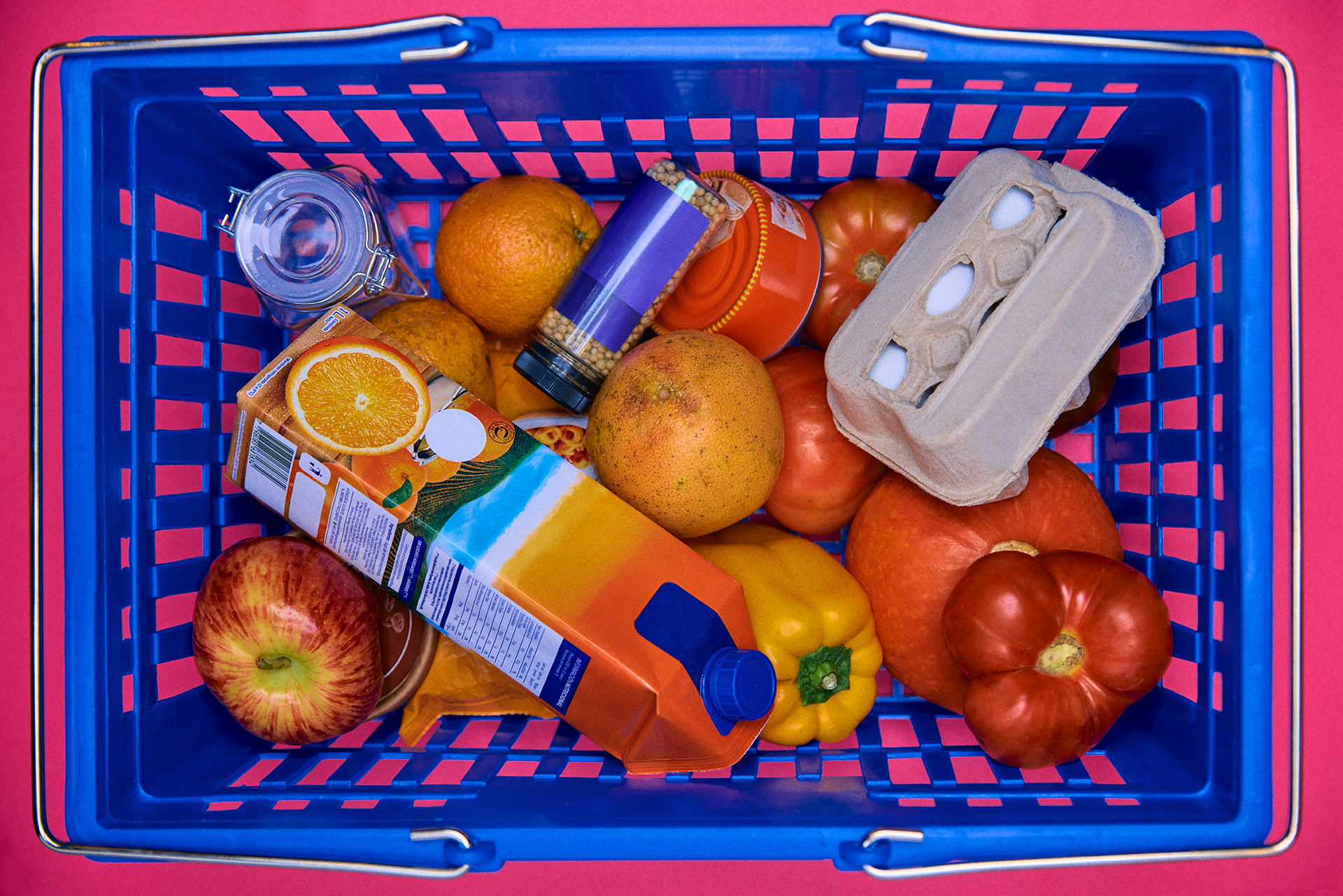
Within this balancing act between taste, price and health, young people’s shopping baskets have indeed changed compared with those of previous generations.
When we listen to what they say they eat today compared with what they remember their parents eating, a clear generational shift emerges. More than half (54.7%) say they eat more pasta, 45.6% more ready meals and 42.7% more rice than their parents. Meanwhile, 65.6% say they drink less wine, and 40.7% acknowledge that fresh fish appears less frequently on their tables than it did on their parents’.
Paradoxically, although speed ranked fourth among the factors shaping young people’s purchasing decisions, foods that promise instant convenience emerge as some of the biggest differences in eating habits compared with previous generations.
Some might argue that there is a gap between their aspirations and their habits. Others might call them inconsistencies in the study, or perhaps in the generation itself… And, as might be expected, young people have their own answers to this too.
Where previous generations sought absolute consistency, this generation embraces complexity. They do not want rigid labels (“being vegan”, “eating perfectly”), but flexibility. Identity is not a fixed concept; it evolves and accommodates seemingly opposing ideas: tradition and innovation, desire and necessity, fast and slow.
“The biggest difference I notice when talking to people from another generation is their obsession with absolute consistency. First of all, it’s impossible! And secondly, who cares? [...]. If someone identifies as vegan because they choose a plant-based diet 95% of the time and eat meat the other 5%, whether because it has been responsibly produced, because they had no other option or simply because they felt like it, why should anyone question that? Has any generation ever consistently lived up to the values it preached?”
But what does “healthy” really mean to this generation?
One of the study’s most striking findings is that, for this generation, being healthy has little to do with green smoothies or kale salads, as we once assumed in research on Millennials.
Health is understood not only in nutritional terms, but also through an emotional and social lens. A ribeye steak shared with others, a plate of octopus during local festivities or a few slices of cured ham with the family provide more than protein: they bring a sense of community, celebration and wellbeing. This connection with mental health and social bonds explains why certain traditional dishes occupy such a privileged place in their understanding of healthy eating.
Where would you place the following dishes on a scale where (0) represents junk food and (10) represents healthy food? (Average score from 0 to 10)
Unexpectedly, at the top of the ranking of foods featured in the study are octopus (7.3 out of 10), ribeye steak (7.2) and Iberian cured ham (7.0), which young people consider the healthiest options. By contrast, global favourites such as pizza (4.2) and smash burgers (4.0) are clearly identified as junk food.

In their everyday language, the Spanish expression “no me renta” (it’s not worth it) is not about financial returns in the literal sense, but something deeper and more immediate: the effort-to-reward ratio. A quick and honest assessment of whether something is worth the energy, time, mental effort or money it requires.
It is both an emotional and a practical equation: does it give me as much as it costs me? Saying “cooking today isn’t worth it” does not mean cooking is expensive, but that, on that particular day, the effort outweighs the emotional or personal reward. Meanwhile, saying “meeting my friends for a meal is worth it” means the experience more than makes up for the time, cost and energy invested. This concept is key to understanding how this generation makes decisions: they are not optimising money, they are optimising wellbeing, time and purpose.
They recognise a shift in purpose compared with previous generations: while their mothers and grandmothers cooked out of necessity, their generation wants to cook as a way of connecting with others. For young people, the kitchen is a place to slow down, listen and learn from one another. They do not want to cook alone or simply to survive: they want to cook together. Cooking is shifting from a domestic chore to a communal experience.
They are not rejecting cooking, nor are they dreaming of homes without kitchens. Quite the opposite: they reclaim the kitchen as a symbolic space for building relationships and organising their lives. What is changing is not the act itself, but its purpose.
For them, the kitchen is a refuge from the rush of everyday life, a space to slow down, a way of being. Yet they do not always have that luxury, so they adapt according to their most valuable resource: the time they have available.
They move between spending several hours batch cooking to cover meals for half the week, investing quality time in a recipe that holds personal significance, and turning to practical, convenient solutions that allow them to keep up with the pace of everyday life. All of these realities coexist in young people’s kitchens.
For this generation, the key is not to cook all the time, but to choose when to do so, without guilt, without rigidity and without inherited expectations. The future of food they imagine does not do away with cooking: it redefines it, turning it into a space for self-care and connection.
“I realised that when I say ‘cooking today isn’t worth it’, I’m not talking about money. I’m talking about mental energy, tiredness and how I prioritise my wellbeing. Cooking matters to me, but I can’t always keep it up, and that shouldn’t feel like a personal failure.”
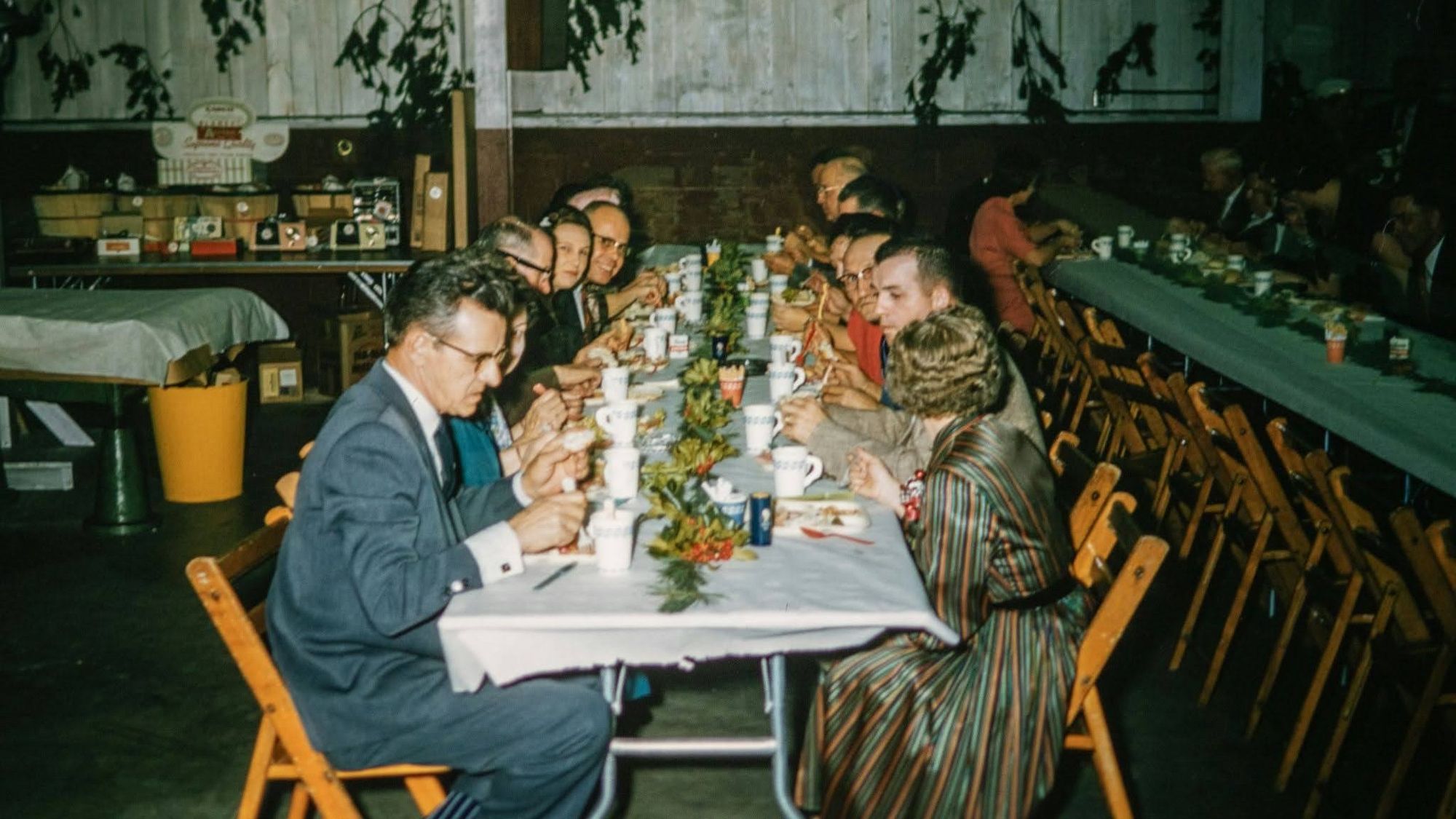
When we asked young people in Euskadi what eating at home really meant to them, the data was clear: 71.5% associate it directly with family, ahead of health (61.3%), pleasure (47.6%) or even saving money (46.3%). And when imagining their ideal meal, their preferred company is neither their partner nor their group of friends, but their family: 54.5% choose family, compared with 22.7% who choose their partner and another 22.7% who choose friends.
Behind these choices lies something deeper: the family table remains a space of safety, belonging and shared identity.
One of the most revealing insights emerging from the survey is the symbolic significance of family for young people. This connection is not confined to nostalgia; it continues to shape their visions of the future. Family will remain a refuge around food, a space where culture, identity and mutual care intertwine. Their recipe books also reflect this intergenerational heritage, passed down from their amamas’ (grandmothers’) tables into their present-day habits.
Ultimately, it seems clear that young people in Euskadi shy away from eating alone. Barely 4% say they prefer it, while family remains their ideal company for a dream meal (54.5%), well ahead of their partner (25.8%) or their group of friends (8.9%).
“During the experience, I realised that although my way of life has changed considerably compared with my parents’, I still imagine the family table as a refuge. Not so much out of nostalgia, but because it’s one of the few places where I don’t have to prove anything.”

Although social media has permeated almost every aspect of young people’s lives, cooking remains a territory where knowledge passed down through families carries far more weight than online tutorials. Only 8% of young people say they have learnt to cook a dish by following recipes on YouTube, TikTok or other platforms. By contrast, almost half (45.8%) acknowledge that their mother taught them to cook, followed by their grandmother (10.4%) and their father (9.3%). These findings show that, unlike other areas where influencers have gained ground, learning to cook remains rooted in domestic memory and intergenerational heritage, reinforcing the idea of the kitchen as an intimate space for passing on culture and affection.
The study shows that, even in a context of uncertainty and rapid transformation, young people are not abandoning these roots. Quite the opposite: they embrace them as part of their desired future, something clearly reflected in the data. Family is not defined here solely by kinship: it is perceived as a space of safety, fulfilment and cultural continuity.
It is hardly surprising, then, that many young people want to protect what they consider their culinary heritage. 56.4% dream of keeping their grandparents’ recipes alive, far more than those who envision, for instance, a future without killing animals for food (15.1%). Among the rituals they want to pass on are Christmas meals (60.2%), weekly family meals (54.3%) and something as contemporary as keeping mobile phones away from the dining table (57.3%), well ahead of more technological proposals, such as using AI to help manage and plan meals (28.6%).
Which traditions would you like to pass on to future generations? (% of total respondents)
Christmas meals — 60,2 %
Keeping mobile phones away from the table — 57,3 %
Eating together as a family once a week — 54,3 %

This interplay of identities moves between the personal and the collective. For many young people, what they put on their plates defines them as much as the clothes they wear or the books they read. Yet they do not want this to translate into rigid categories: they see themselves as multifaceted, complex and, as some put it, “openly inconsistent”. In other words, they recognise the power of labels but reject the dogmatism of absolute consistency, embracing a more flexible and open sense of identity than previous generations. The debate around veganism illustrates this particularly well: 3 in 10 young people believe someone can still identify as vegan even if they occasionally eat meat.
Food identity is shaped not only from within, but also by external influences. This is why the role of influencers deserves particular attention. Although they were expected to become the guiding compass for this generation’s consumption habits, The Future Game study reveals that they command neither much trust nor meaningful influence: only 17.7% consider them important, compared with significantly higher figures for doctors, farmers or chefs.
How much trust do you place in the following professionals? (% of total respondents)
Farmers — 88,1 %
Doctors — 87,4 %
Chefs — 86,5 %
Fishmongers — 84,3 %
Engineers — 81,2 %
Teachers — 78,3 %
Lawyers — 68,4 %
Police officers — 57,3%
Influencers — 16,1 %
“When we imagined the future, hardly anyone talked about spectacular technology. What kept coming up was something very basic: being able to access quality food without it requiring an enormous effort. It struck me because it seems like such a modest dream, but it actually says a lot about the times we live in.”
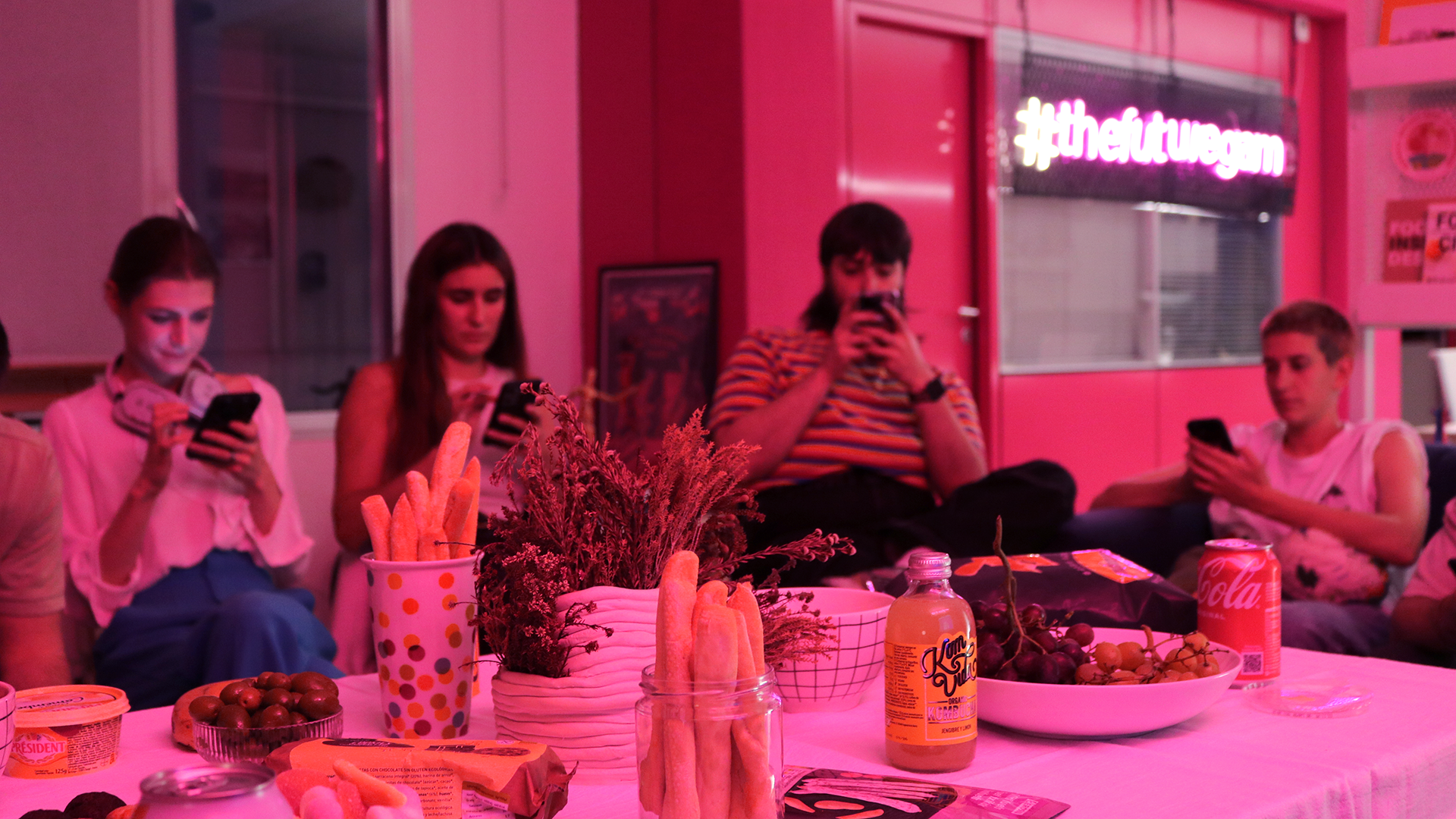
It may be excessive or premature to speak of the beginning of the end for influencers, but this generation makes it clear that their influence on society is not unfolding as previous generations expected. Young people do not necessarily see influencing as a legitimate profession or influencers as authoritative voices to guide their consumption choices.
“Talking about mobile phones at the table made me realise that it isn’t a technology problem, it’s an attention problem. It’s not the phone that disrupts the ritual, but how difficult we find it to be present, even when we’re with other people.”
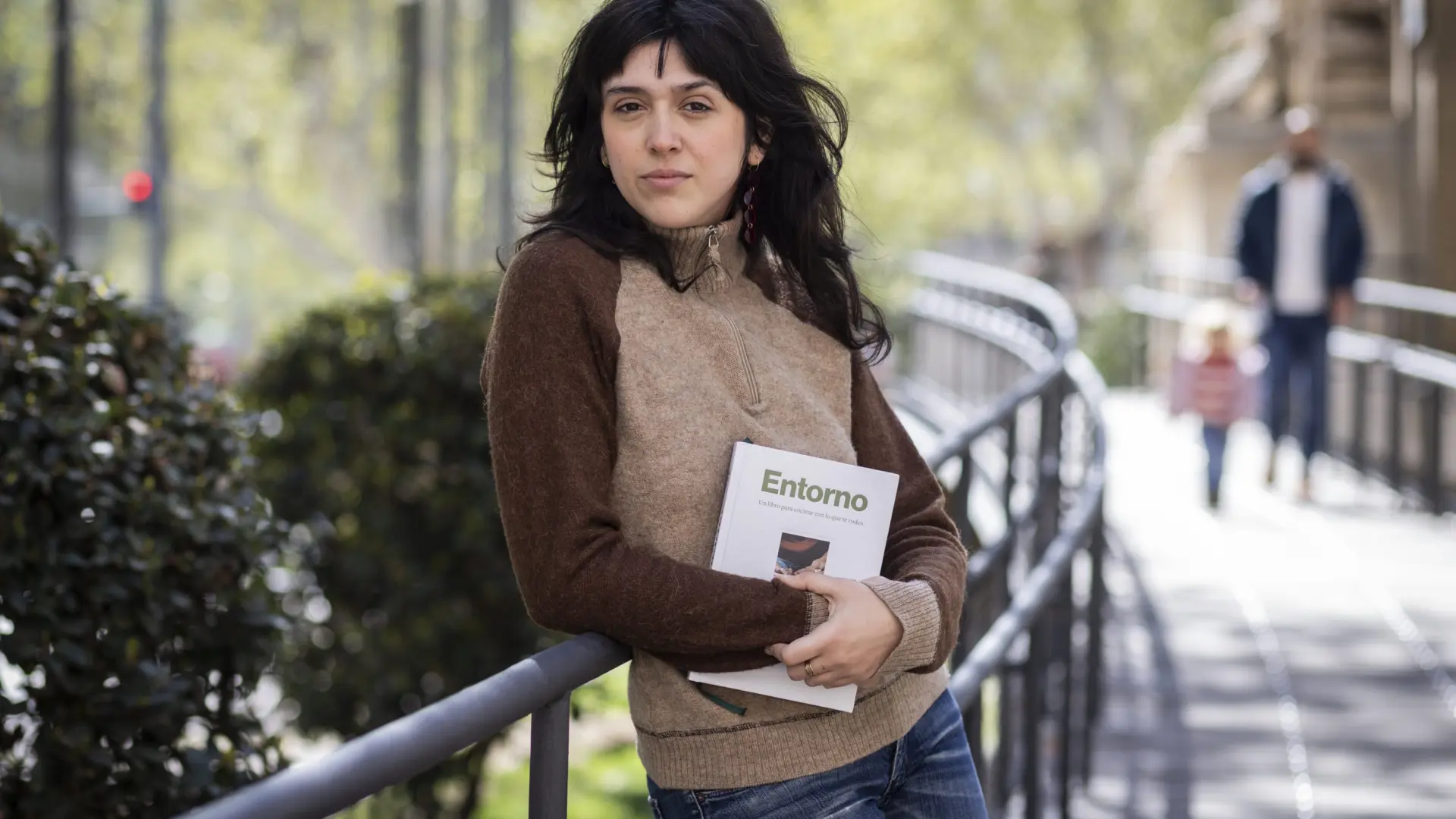
Claudia Polo is a food communicator and conscious content creator on social media. Her new book, Entorno, invites us to explore our relationship with food, rediscover it and approach cooking with greater intuition.
A way of cooking that is aware of its surroundings, that cares for the person cooking and for the world around them. She explores how the way we eat has a profound impact on our own lives and the lives of others. She also celebrates the pleasurable aspects of eating and cooking, and the importance of discovering, using and appreciating the ingredients closest to us, without closing ourselves off to new discoveries from elsewhere.
An authentic perspective that conveys deeply rooted values, bridging tradition and innovation, the familiar and the new, to an entire generation seeking new ways to stay connected to food and cooking while shaping a contemporary sense of identity.
“With so much information out there, it’s difficult to separate digital bullshit from people and messages of real value, which, although less common, do exist online. Claudia Polo and her more conscious, everyday and relatable approach to food are a great example of this, making her a role model for our generation.”
Unlike the unquestioning enthusiasm of previous generations for all things new, young people take a more discerning approach. Particularly when it comes to food, they reject empty futurism (printed food, homes without kitchens, etc.) and champion technology that enhances rather than replaces. This perspective paves the way for a more human-centred approach to innovation and technology.

Misinformation has also made its way into the world of food, entering through the most familiar gateway for this generation: social media. Today, false claims about miracle diets, supposedly healing properties or non-existent dangers associated with certain foods do not simply circulate; these narratives go viral at a speed that ultimately shapes eating habits: what people buy, what they avoid and what they consider healthy. Young people acknowledge that the difficulty of distinguishing evidence from hype is taking a toll on their mental energy.
Meanwhile, the recent rise and democratisation of AI have also given rise to new forms of digital manipulation that illustrate this increasingly blurred reality: users altering photographs of their food deliveries to make them appear spoiled and fraudulently claim refunds.
Young people are not rejecting technology. Rather, this increasingly blurred reality is prompting them to develop a generational defence mechanism against hype.
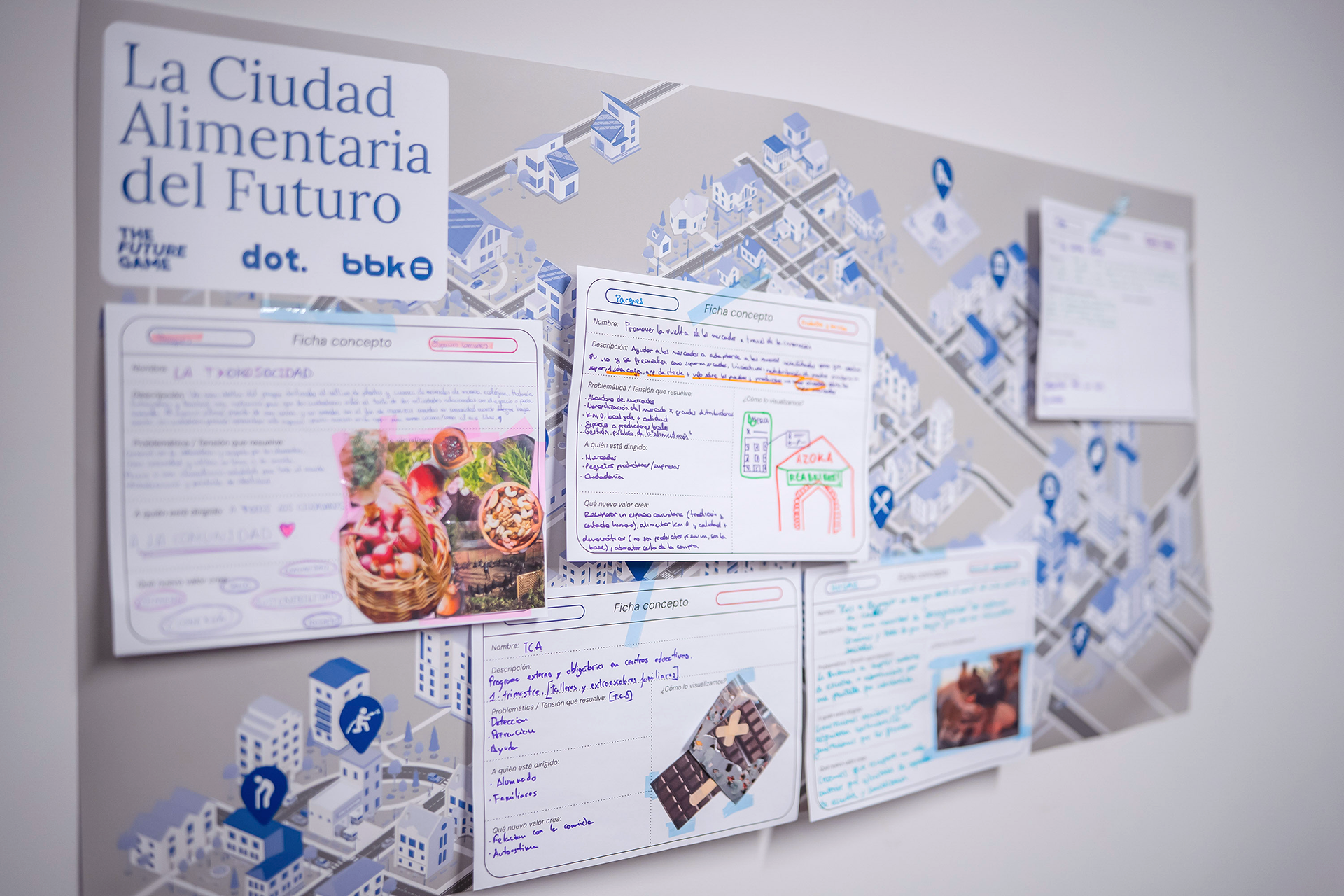
If we could walk through the food city imagined by young people in Euskadi, the first things we would encounter would be greengrocers (65.9%) and butchers (61.3%) in every neighbourhood, followed by fishmongers (55.7%) and traditional food markets (55.1%).
Young people express a preference for proximity and everyday familiarity, moving away from more exclusive or internationalised food models. Their ideal streets would feature traditional pintxo bars (51.7%), neighbourhood supermarkets (49.9%) and an emerging presence of speciality coffee shops serving healthy breakfasts (39.3%), reflecting new urban routines.
By contrast, 77% of young people in Euskadi do not picture fast-food restaurants in their ideal city. In their aspirational urban landscape, local familiarity takes precedence over global exoticism, revealing a generation that is also concerned about the disappearance of these local community hubs.
Which of the following establishments would you consider essential in your ideal city of the future? (% of total respondents)
Greengrocers — 65,9 %
Butchers — 61,3 %
Fishmongers — 55,7 %
Traditional food markets — 55,1 %
Traditional pintxo bars — 51,7 %
Small neighbourhood supermarkets — 49,9 %
Cafés serving healthy food — 39,3 %
Fast-food pizza and burger chains — 23,3 %
The resulting picture is clear: young people’s ideal city is a city with roots. A city where markets, greengrocers and pintxo bars coexist, where innovation gradually finds its place without displacing what is essential. It is not a science-fiction scenario, but one where everyday life, health and shared experiences continue to define neighbourhood life.
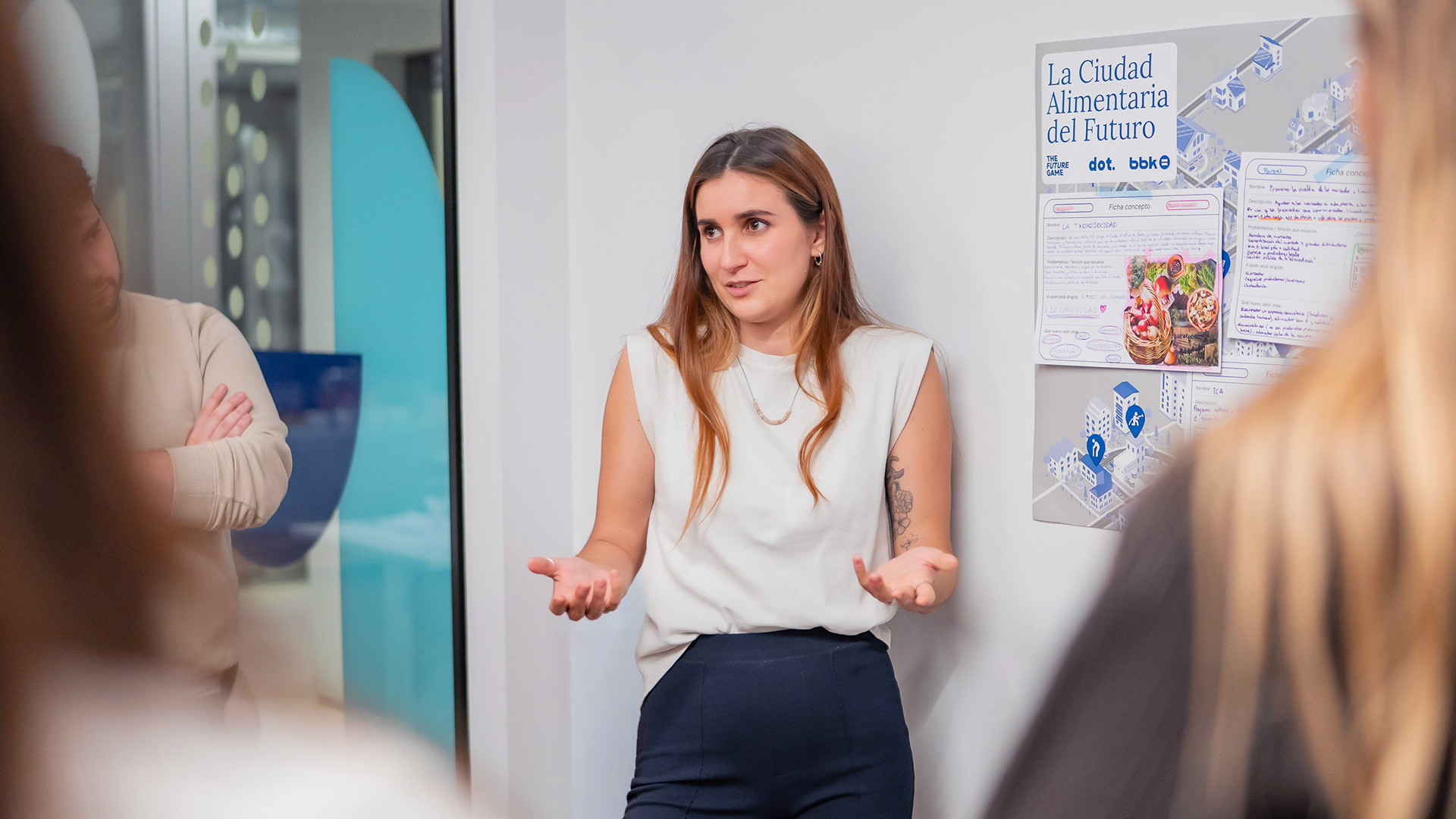
If there is one thing this analysis makes clear, it is that young people in Euskadi talk about food with a mixture of realism and hope. Realism, because they do not shy away from the difficulties of filling their shopping baskets or the frustration of seeing basic products become almost luxury goods. Hope, because amid these barriers, values emerge that point towards a promising future: the importance of family, the commitment to accessibility, trust in what is local and the desire to keep alive the recipes and rituals that have woven together our collective identity.
The picture painted by this study is not one of a disconnected or passive generation, but of young people reinterpreting what it means to eat in the 21st century. Their ideal food city is not filled with empty futurism, but with markets, greengrocers and pintxo bars. Their understanding of health is not limited to nutrients, but extends into emotional wellbeing and shared experiences. And their identity is not confined to rigid labels, but embraces complexity and inconsistency as legitimate ways of being.
This report does not seek to close the conversation, but to open it up. The quantitative data has been enriched by the qualitative insights of a group of young people who took part in The Future Game’s gamified experience over 21 days. Their reflections, decisions and aspirations add nuance and put a human face to the numbers, offering even richer insights into how they imagine the food system of tomorrow.
The challenge is considerable, but so is the opportunity: to listen to, understand and support a generation that, amid tensions and contradictions, continues to place food at the heart of its life and its future.